


The WorldWide Machinist Explores Shop Floor Metrology at API
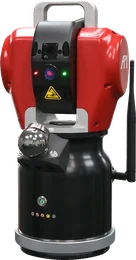
The Y-axis ball screw has just been replaced. Before the next part goes on the machine, how do you check that its axes still travel straight and square? That’s the job Tony Gunn walks in on when The WorldWide Machinist visits API Metrology in Rockville, Maryland. Watch the full tour for a machinist’s view of shop floor metrology, from the first laser tracker to the 23-meter rail we use to check our instruments today.
Why a robot led to the laser tracker
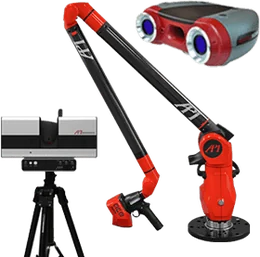
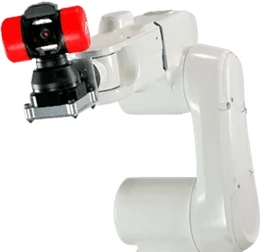
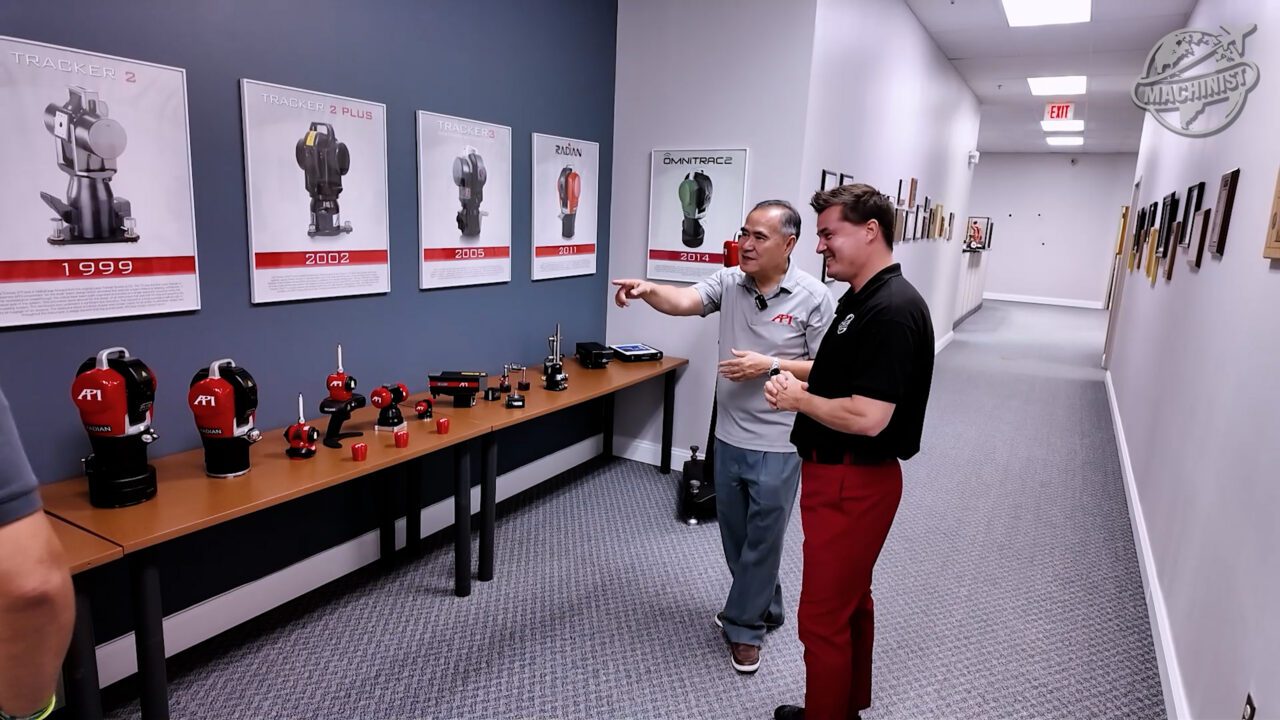
Tony starts with API founder Dr. Kam Lau and a photograph taken after the first successful demonstration of his tracker. Dr. Lau wanted to know how accurately a robot followed its intended path. First he had to figure out how to keep a laser beam locked on a moving target. That problem led him to invent the first laser tracker.
Decades later, portability is what stands out to Tony. He recalls visiting shops that measure a part while it’s still clamped in the machine. Once the part comes off, getting it back into exactly the same setup can be nearly impossible.
Checking a CNC after a ball screw replacement
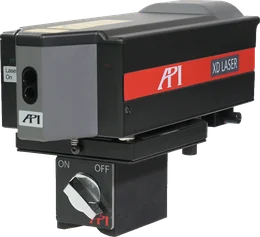
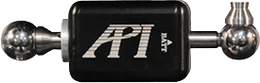
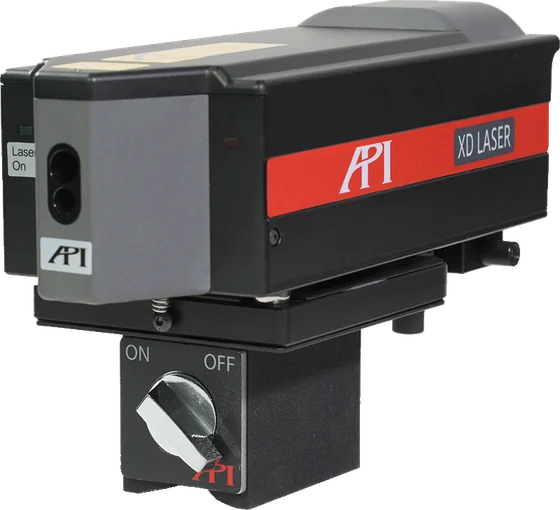
At the CNC, Jonathan runs a baseline check with the XD Laser, taking a reading every two inches along the machine’s travel. The laser measures positioning and straightness, as well as pitch, yaw and roll. Jonathan also shows Tony how a ballbar tests two axes working together. The machine is programmed to trace a circle. The ballbar measures how closely it follows that path.
From a handheld target to automated inspection
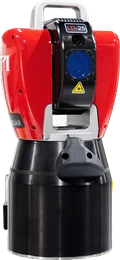
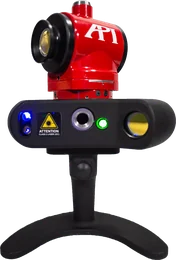
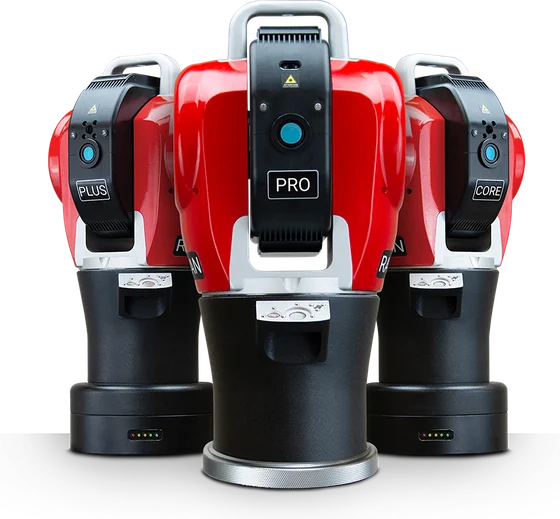
In the automation area, Arturo shows Tony an iLT laser tracker small enough to take on a plane as carry-on luggage. Beside it is the Dynamic 9D LADAR, which scans the surface of a part directly. Arturo explains how pairing a scanner with a robot or a turntable lets a shop inspect a part from several angles.
Who checks the laser tracker?
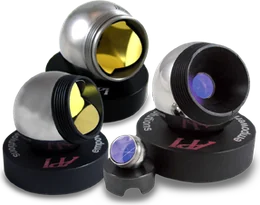
In the calibration lab, a target travels down a 23-meter rail and back. A laser tracker measures how far it moves. So does a reference interferometer. Comparing their readings lets the team check the tracker’s distance measurement against a known standard. Even the floor matters here. The rail sits on a concrete pad isolated from the rest of the building to keep the setup stable during laser tracker calibration.
Tony’s final conversation brings the visit back to robots. Dr. Lau started out measuring how a robot moved. Now Tony hears how that same ability to track position can help guide a robot doing precision machining.
Watch the full tour on The WorldWide Machinist’s YouTube channel.