Why physical model work still matters
Clay, foam, plaster, and tooling-board models still have a real place in product development and sculpture work. Automotive studios, EV teams, rail programs, heavy-industry designers, yacht builders, artists, and special-effects shops all hit the same need at some point: they need to turn digital geometry into a physical object quickly enough to keep design decisions moving.
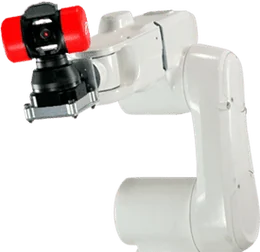
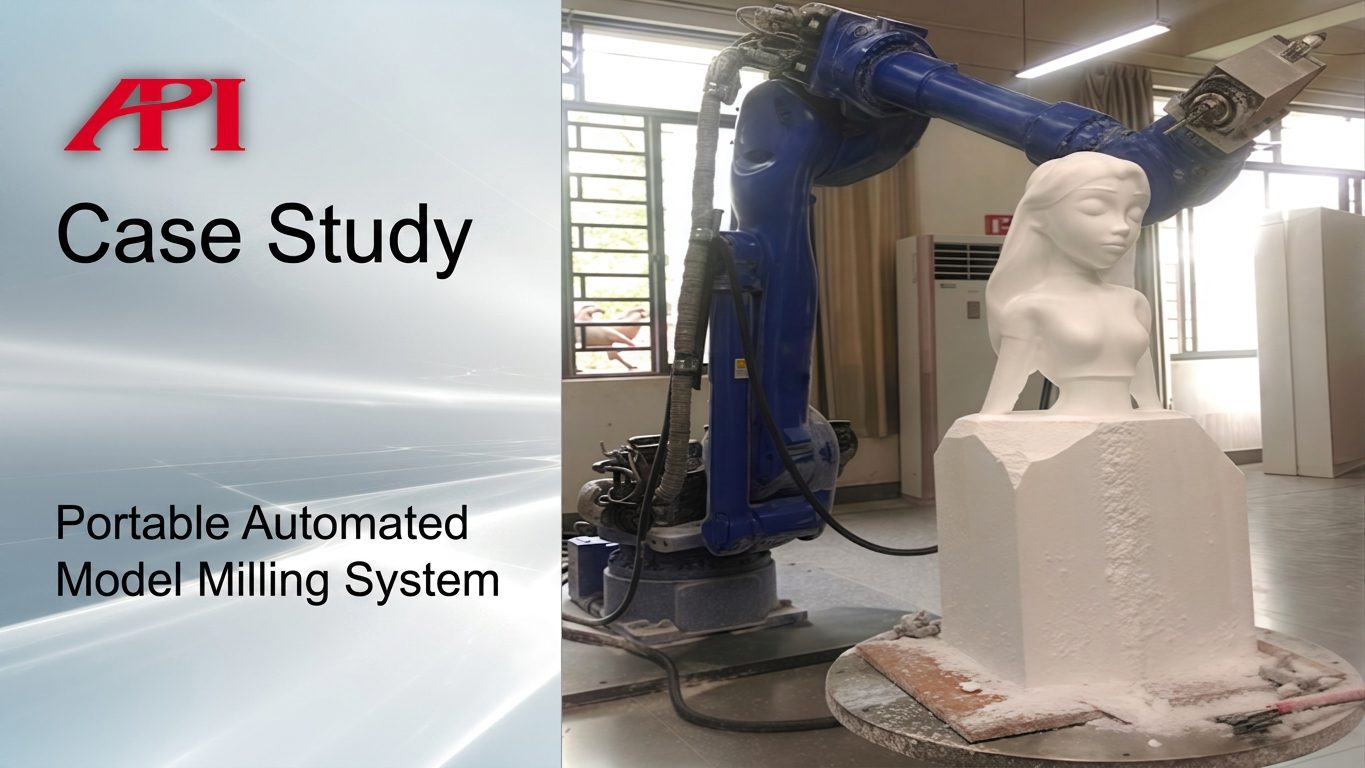
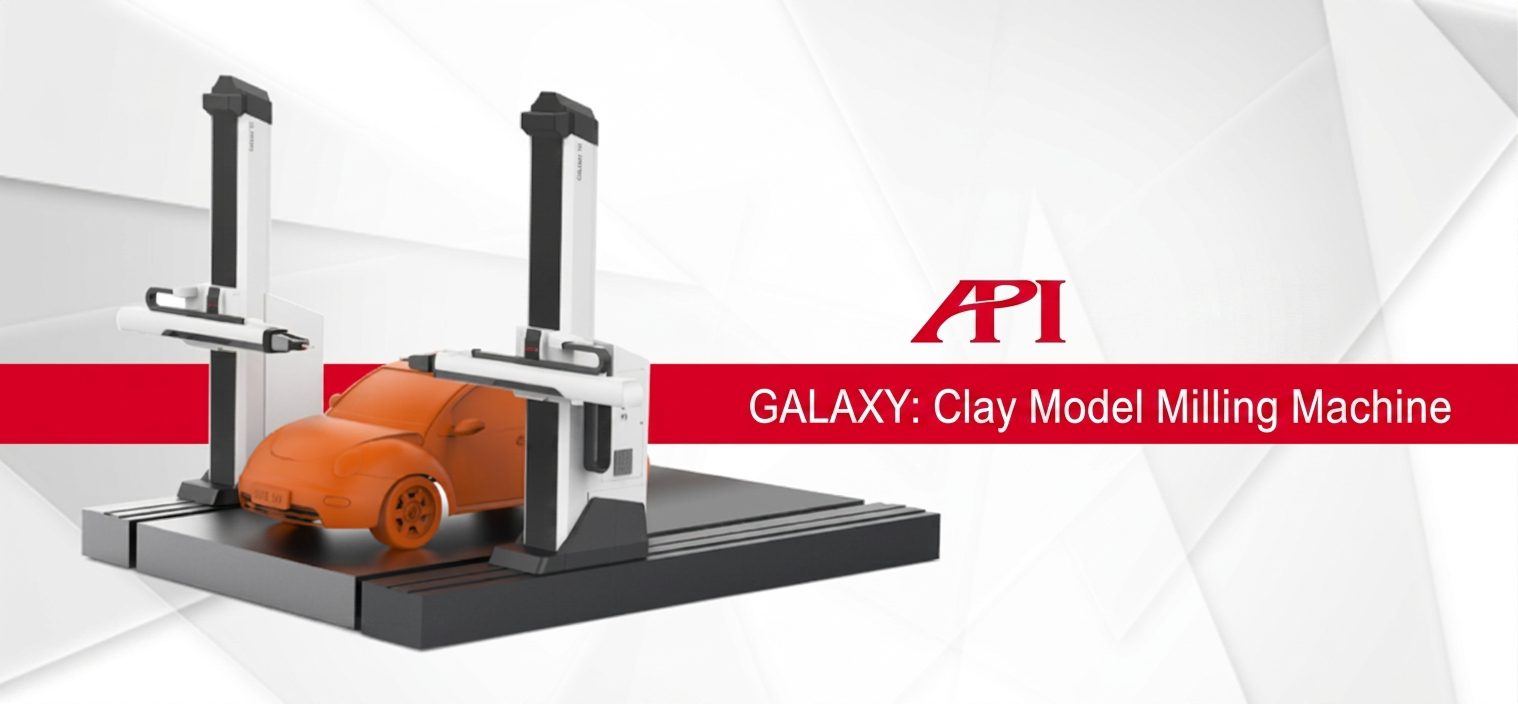
For large vehicle and industrial styling models, API positions the Galaxy platform as the higher-capacity solution. For sculpture, art, and other on-site work, the more interesting option in this case study is API’s automation solutions, including a portable automated model milling system built around a robot, spindle, rotary positioner, and control package.

What the portable system is built to do
The system is meant to be more flexible than a fixed large-format setup. According to the source article, it combines a high-power air-cooled variable-frequency spindle, a rotary positioner, and the operating controls needed to machine sculpture and artistic models with less setup friction.
The published capability set is practical and specific:
- It can run with mainstream industrial robot bodies such as KUKA and YASKAWA.
- Repeatability is rated at 0.2 mm.
- It can process full 3D sculptures up to 1500 mm tall and 600 mm in diameter, or relief work up to 2000 mm by 1000 mm.
- It supports EPS foam, resin, plaster, tooling board, wood, and similar model-making materials.
- A seventh-axis rotary positioner automatically rotates and locates the workpiece during machining.
- The spindle system uses an external inverter and air-cooled electric spindle to maintain cutting force, stability, and smooth motion.
- A handheld teach pendant provides a bilingual menu interface and LCD touchscreen control.
- Robot network communication allows real-time program transfer without practical file-size limits for large, complex jobs.
What the shop-floor examples show
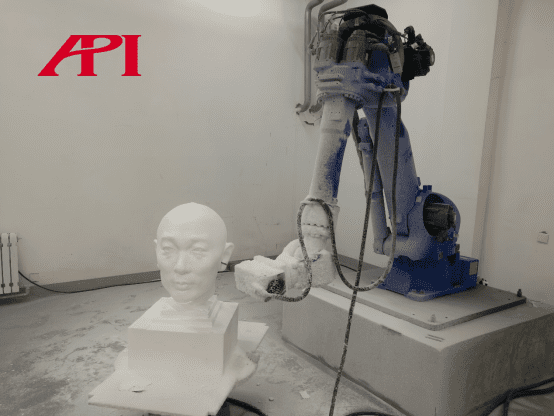
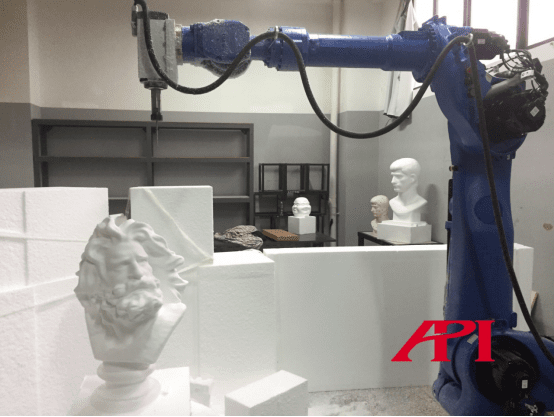
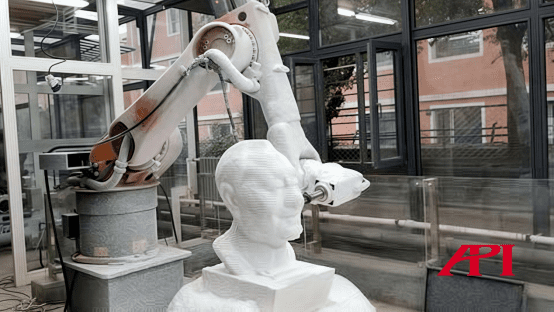
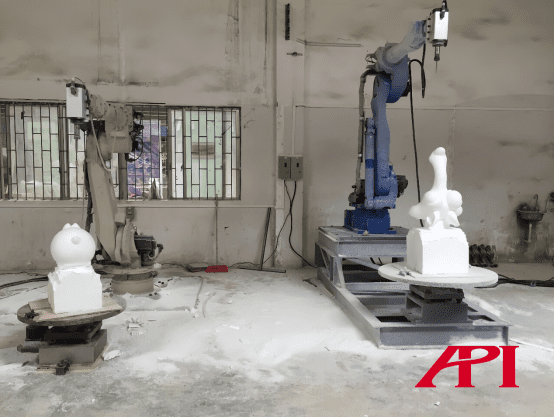
The example photos in the source piece focus on sculpture-style work rather than vehicle-class clay bucks. That matters, because it shows the system being positioned as something teams can bring closer to the work instead of building the entire workflow around a single dedicated machine.
Why this workflow is useful
The real value here is not just robotic cutting. It is the ability to move from a digital design to a physical model quickly, with enough flexibility for art, sculpture, and one-off form work that does not fit a rigid factory process. In that role, API’s portable automated model milling system acts as a practical bridge between concept sketches, digital files, and finished 3D models.
For more information on portable model milling systems, contact an API metrologist today.