
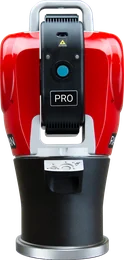
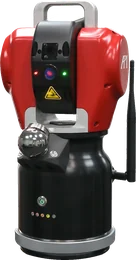
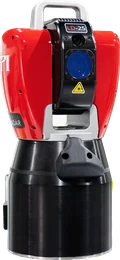
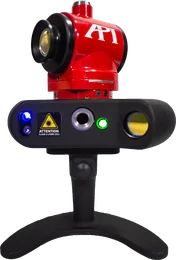
When you're operating inside the human eye, a millimeter isn't a rounding error — it's the whole game. That's the challenge Horizon Surgical Systems set out to solve, and by using an API laser tracker for robot calibration, the team improved the accuracy of its surgical robot by a factor of 5 to 10. Here's how they did it.
The Company: Surgical Robotics for the Eye
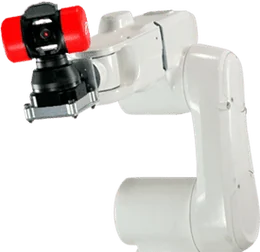
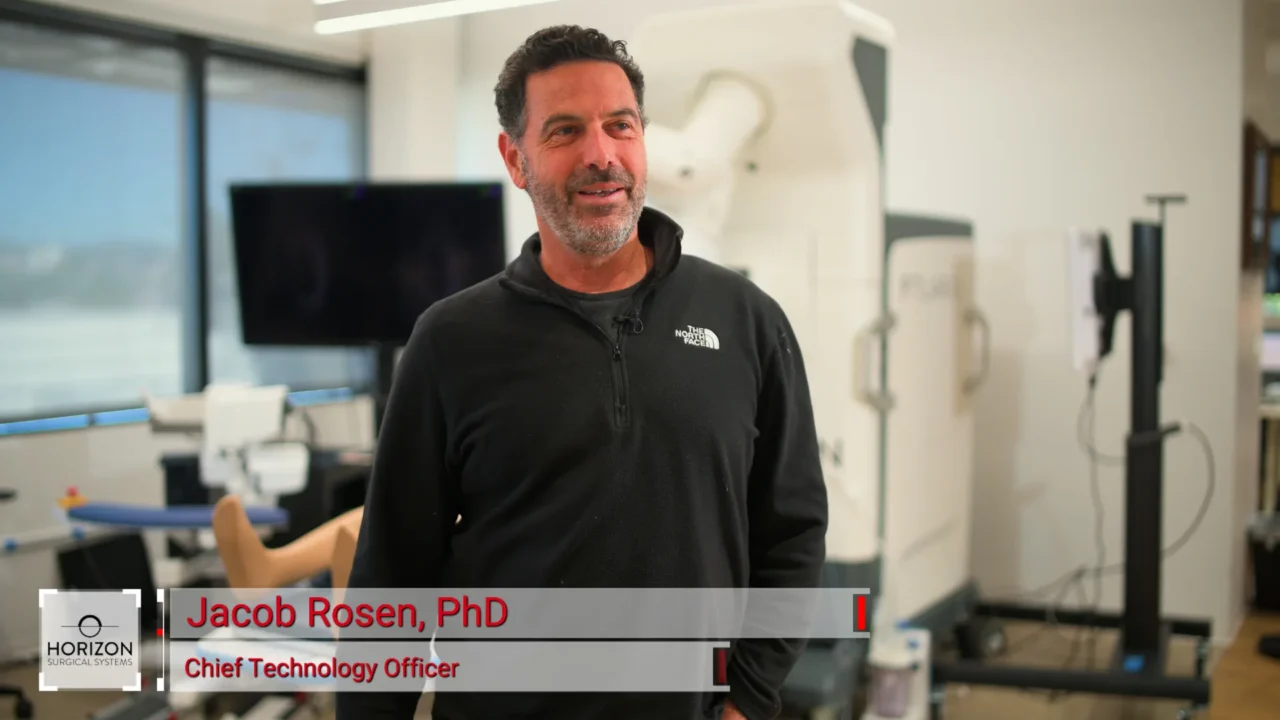
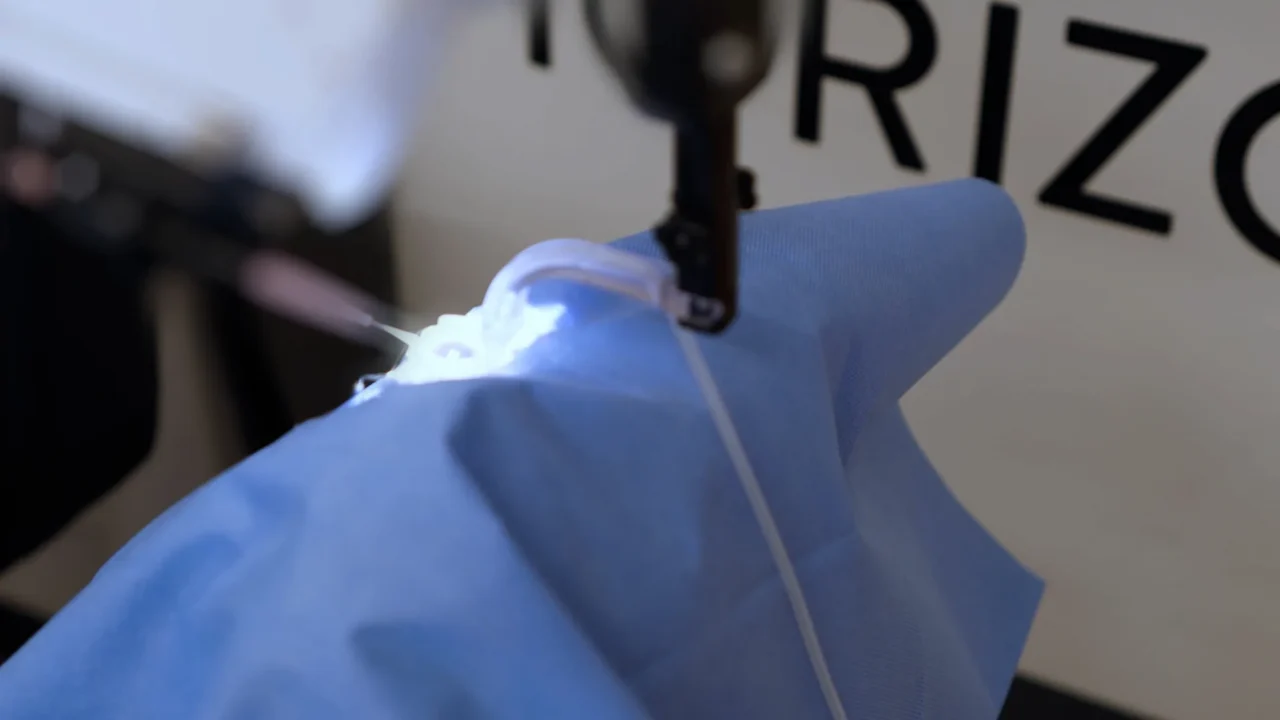
Horizon Surgical Systems is developing surgical robotics for ophthalmology, with its first indication being cataract surgery. The company began as a research group at UCLA, where the founding team performed surgical robotics research focused on understanding landmark locations inside surgical images and using that data to guide a robot through the procedure.
The Challenge: In Eye Surgery, Every Micron Counts
In many procedures — orthopedics and soft tissue among them — the precision of the human hand is good enough. As the Horizon team puts it, orthopedic surgery is a little like carpentry: plus or minus a millimeter is something the bone can grow and fill over time.
Eye surgery offers no such margin. Precision is one of the defining capabilities of any surgical robot, and when you're operating on the eye, each millimeter counts. To perform any kind of eye surgery safely, the robot has to be as precise as physically possible.
That created a hard engineering problem: Horizon needed a way to measure the manufacturing and assembly variations that occur from one robot to the next. Without accurately characterizing those variations, the robot couldn't reach the level of precision the procedure demanded.
The Solution: An API Laser Tracker and MATLAB SDK
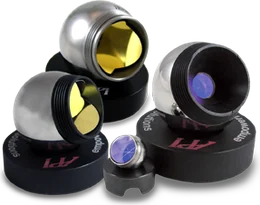
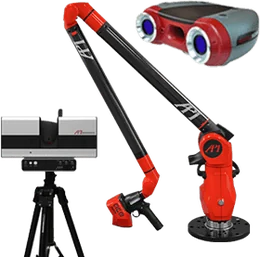
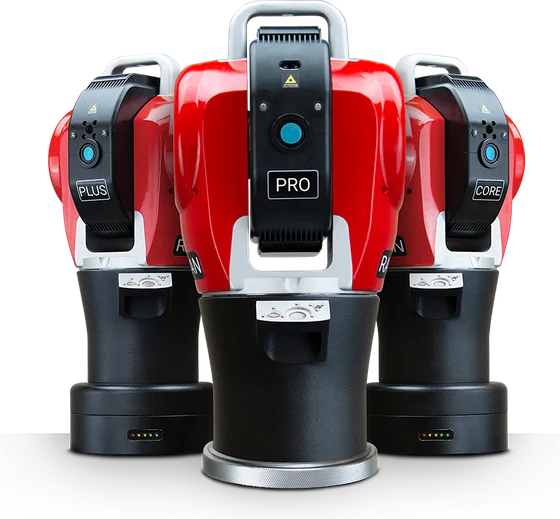
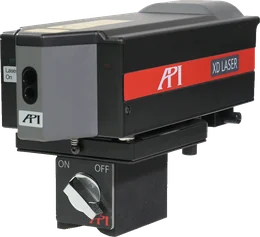
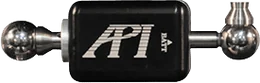
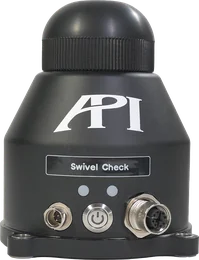
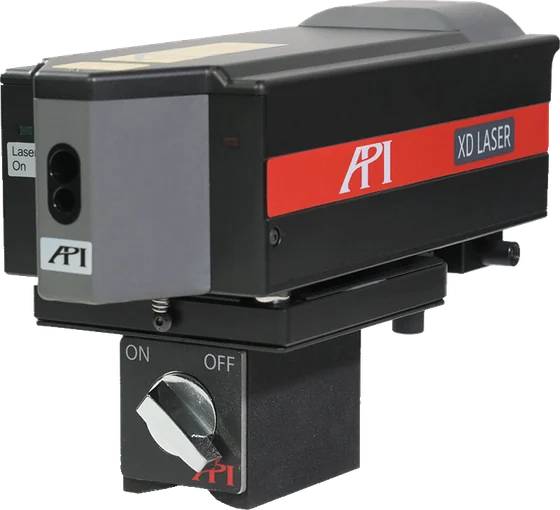
Horizon turned to Automated Precision Inc. (API) for a metrology solution. The API laser tracker was able to deliver the measurements Horizon needed, with the accuracy required to help each robot finally achieve its full potential.
Two reasons drove the decision to go with API. The first was technical: API offered a MATLAB toolbox interface that plugged directly into Horizon's workflow. The second was the relationship — the human connection the Horizon team built with their API rep, who was consistently helpful in getting them what they needed.
Because Horizon runs a genuinely unique system, developing their own software framework was essential. The API SDK proved flexible enough to build that framework on top of, helping the team create the software and collect every measurement they needed in a short period of time.
The Results: A 5–10× Improvement in Accuracy
Using the API laser tracker for robot calibration, Horizon improved the accuracy of its surgical robot by a factor that varied between 5 and 10. For a robot designed to operate inside the human eye, that leap is the difference between a promising prototype and a viable surgical platform.
In the team's own words: "Above and beyond is an understatement. Any system, robotic or not, where you need accuracy and precision — I would go with API."
Want to see the full story?
Watch the Horizon Surgical Systems case study video
Learn how an API laser tracker can measure and improve the accuracy of your robotic system. Explore API's metrology solutions or talk to our team about robot calibration.