


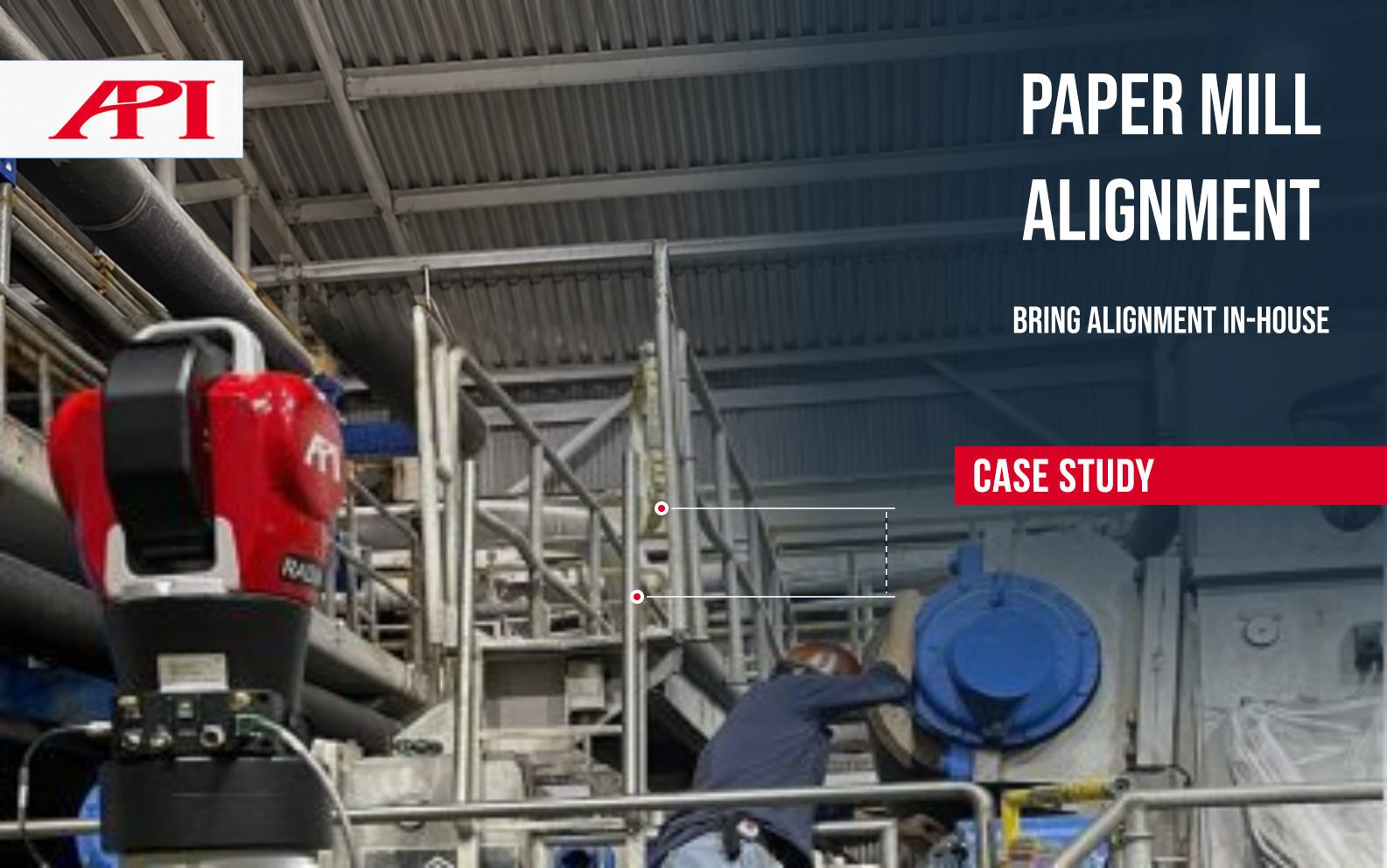
International Paper Cuts Costs, Downtime Using API for Alignment
Why alignment matters in paper mills
From calendar stacks to press rolls, unwind stands, felt stretches, and more, proper alignment of paper mills is essential for accurate paper production.
Manufacturers traditionally bear these alignment costs in one of three ways: contract optical alignment services and pay for the measurements and associated downtime; purchase a laser tracker and train personnel for in-house measurements; or absorb the waste, scrap, and repair time associated with misaligned machines.
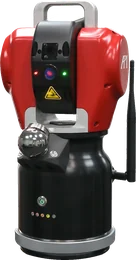
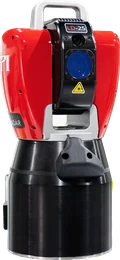
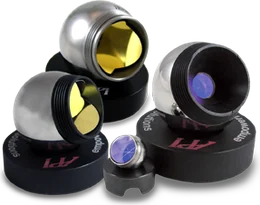
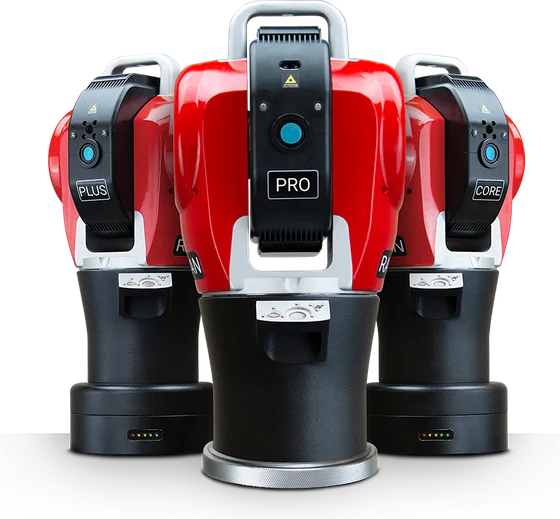
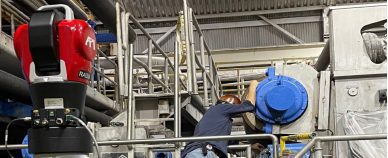
International Paper Company chose in-house measurement after reviewing laser tracker costs and financing options. It purchased a Radian Plus Laser Tracker and vProbe from API, with training from API Services for its Reliability Engineers and General Mechanics.
Outsourced alignment versus in-house measurement
Founded in 1898, International Paper produces renewable fiber-based packaging, pulp, and paper products. At the time of this case study, it reported manufacturing operations in North America, Latin America, Europe, North Africa, and Russia, with headquarters in Memphis, Tennessee.
The company’s packaging protected and promoted goods and supported worldwide commerce. Its pulp was used in diapers, tissue, and other personal hygiene products, while its papers supported education and communication. The company then reported more than 50,000 colleagues and more than 25,000 customers in 150 countries.
At the Georgetown Mill, International Paper tracked these annual costs for contracted optical alignment services:
- 2017: $173,000
- 2018: $196,000
- 2019: $139,000
Through August 2020, the mill had already spent $65,000. Its annual outage alone was costing $40,000–$50,000 per year, and the quality of vendor alignment varied from year to year.
The mill had discussed buying its own laser tracker for years, but three questions remained:
- How could maintenance personnel perform alignments while remaining available for other jobs?
- Would the equipment cost be justified for intermittent use?
- Who would be responsible for the equipment?
Evaluating equipment costs and financing
The historical purchase options described in this April 2022 case study changed that calculation. International Paper learned that it could purchase a laser tracker for either $150,000 upfront or finance it over five years for around $2,500 per month—less than it had been paying for yearly alignment services.
The case study reported that this approach would reduce average monthly alignment costs by a factor of seven, improve consistency in alignment quality, and allow the mill to manage the manpower cost of operating and maintaining the tracker. These figures describe the purchase options evaluated for this project.
Selecting Radian Plus and vProbe
International Paper scheduled demonstrations with three leading laser tracker providers. API was not the first to demonstrate its equipment and was not initially the favorite. Its demonstration highlighted two features that won over the team:
- Portable measurement: Radian Plus and vProbe were designed for ease of use and portable measurements.
- Onsite training: API’s Globally Local services team would accompany the tracker delivery and provide comprehensive training.
Equipment capabilities and onsite training
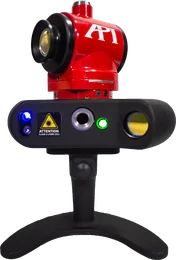
At the time of the case study, API described its Radian Laser Trackers as the smallest, lightest, and most accurate on the market. The article listed Radian Plus with an IFM laser, accuracy of 15 microns ±5 microns per meter, an integrated controller, Wi-Fi-enabled wireless operation, eight hours of measuring life per battery, and compatibility with vProbe and iScan3D accessories.
The case study described vProbe as a tactile probing sensor providing targetless, full-volume measurements from what API called the smallest, lightest smart probe. Its listed features included RFID-chipped styli for instant software recognition, Smart Buttons for single-user measurements, eight-hour battery life, point measurement and dynamic scanning, and wireless operation.
API had been building its Globally Local team of metrologists since 2008 to provide contract services and customer support. At the time, the article reported more than 200 years of combined real-world metrology experience among its application engineers.
International Paper’s tracker arrived as scheduled. Its Reliability Engineers and General Mechanics received comprehensive training from API Services.
Reported alignment and downtime results
The Georgetown Mill used Radian to align calendar stacks, press rolls, unwind stands, felt stretches, couch rolls, and breast rolls. The case study reported:
- Monthly alignment costs reduced by a factor of seven.
- More consistent alignment results.
- Shorter downtime for annual outages.
The combination of API’s laser-based dimensional metrology equipment and onsite service expertise helped International Paper reduce costs and quickly train its personnel to perform the required measurements.

Tyler Paden was the paper mill alignment expert featured in this case study. To discuss alignment needs at your mill, contact API.