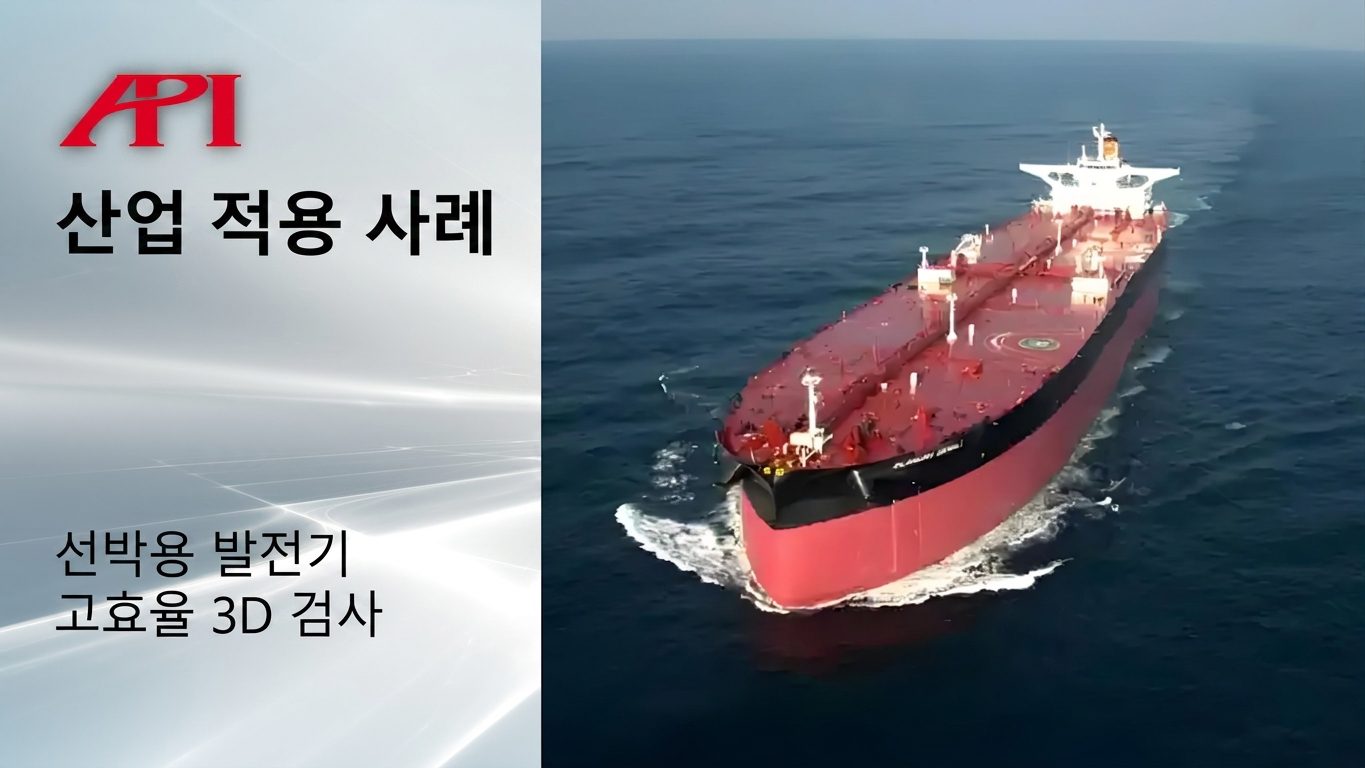
A Smarter Way to Inspect Large Marine Generators

19 March 2026 · 3 min read

Who could you share this with?

Why This Inspection Matters

Large marine generators do much more than keep the lights on. They help power communication systems, navigation equipment, pumps, winches, boilers, and other essential shipboard systems. On a large vessel, that makes the generator a mission-critical asset, and it also means dimensional errors can turn into real reliability problems fast.

That is why inspection matters so much. If the rotor and stator do not fit the way they should, the generator can become harder to assemble, harder to maintain, and more likely to run into performance issues over time.

The Challenge

In this project, the customer needed to measure the diameter, cylindricity, and coaxiality of a large marine generator's permanent-magnet rotor and the stator's multi-segment slot wedges. The goal was straightforward: make sure the stator and rotor fit together evenly and avoid mechanical interference.

The hard part was the job itself. The rotor's magnetic force was strong enough to make conventional tools difficult to use, and its painted, particle-covered surface made measurement even more awkward. On the stator side, variations in roundness and cylindricity at protruding slot-wedge locations created a real risk of the rotor and stator binding during assembly.

Traditional inspection was not a great fit either. The usual process depended on several tools working together, including roundness fixtures, total stations, levels, micrometers, and piano-wire electrical methods. That kind of setup can produce data, but it also adds complexity, increases the chance of compounded error, and makes rework more likely.

Where the Radian Plus Fits

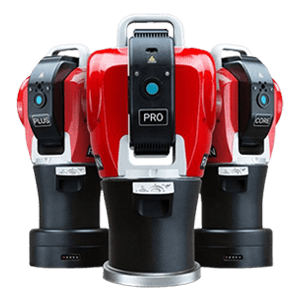
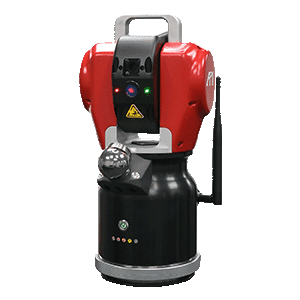
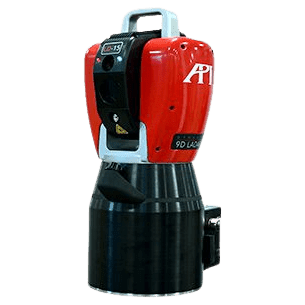
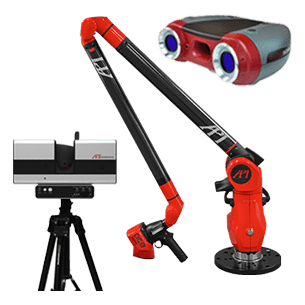
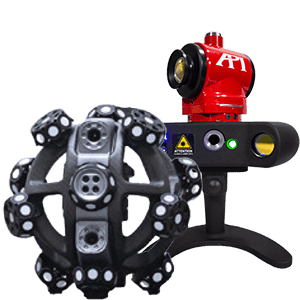
The API Radian Plus laser tracker gave the team a much cleaner path forward. Laser trackers are already widely used in aerospace, aviation, shipbuilding, and precision manufacturing because they combine long-range measurement with high accuracy. Those same strengths make them a strong fit for marine-generator inspection and assembly work.

In this case, the Radian Plus brought micron-level accuracy, large-scale measurement capability beyond 160 meters in diameter, and a fully wireless workflow using battery power and wireless data transmission. That meant the team could avoid cable-related setup issues and work more freely around the generator, with more than eight hours of effective operating time.

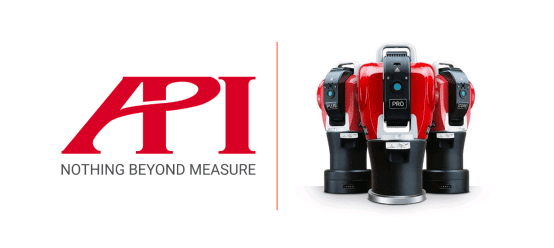
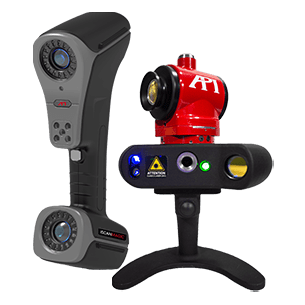
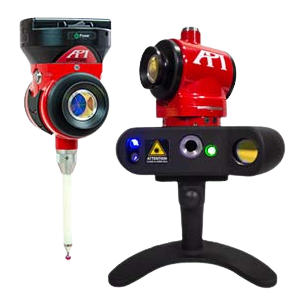
Figure 1: Radian laser tracker series.

How the Measurement Was Performed

The tracker was placed in a position with clear visibility to the required measurement points. An operator then used an SMR target sphere with an integrated prism to touch each inspection location while the tracker locked onto the target and followed it in real time.

Once the target was held in place or the operator triggered data collection, the system captured 3D coordinates at up to 1000 Hz and sent the data directly to software on a computer. From there, the team could build lines, planes, and solids, compare measured data to CAD, and run the GD&T analysis needed to evaluate the job accurately.

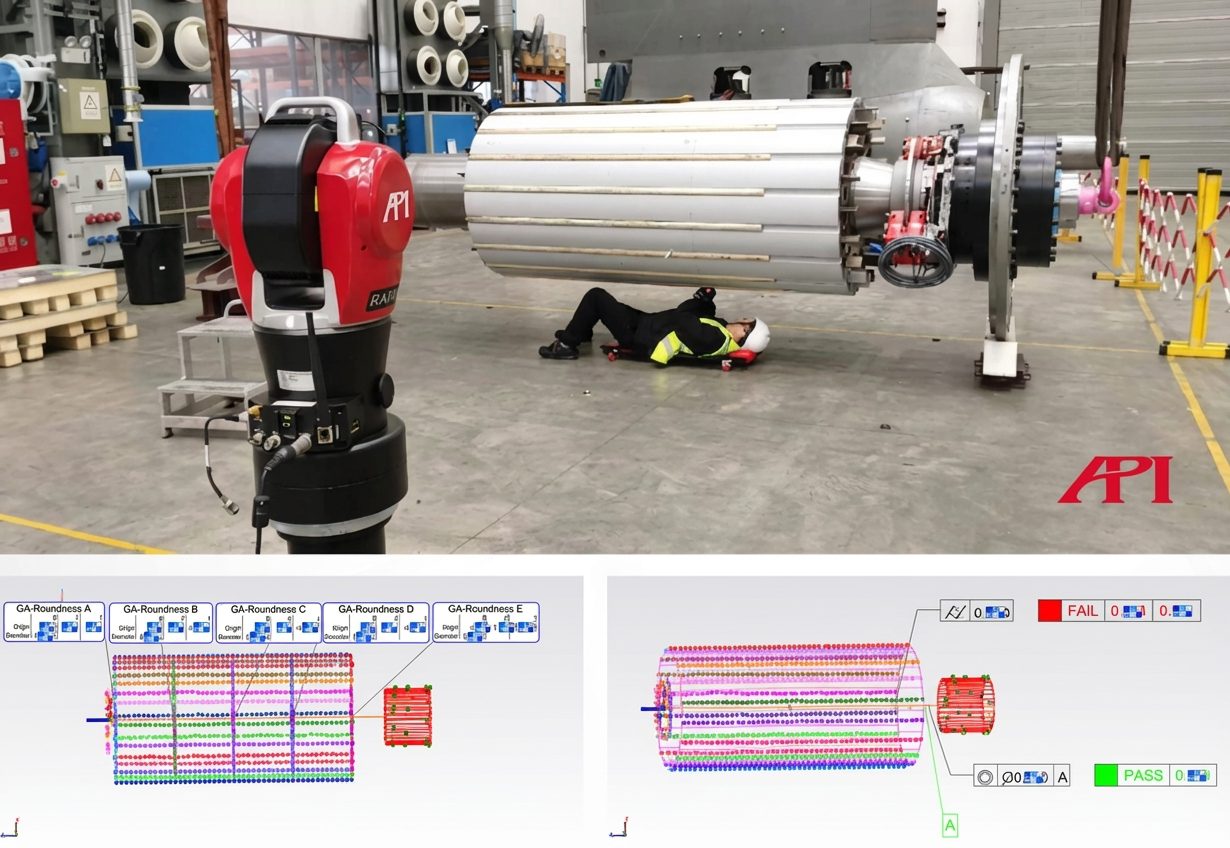
Figure 2: Rotor measurement setup and data analysis in this case study.
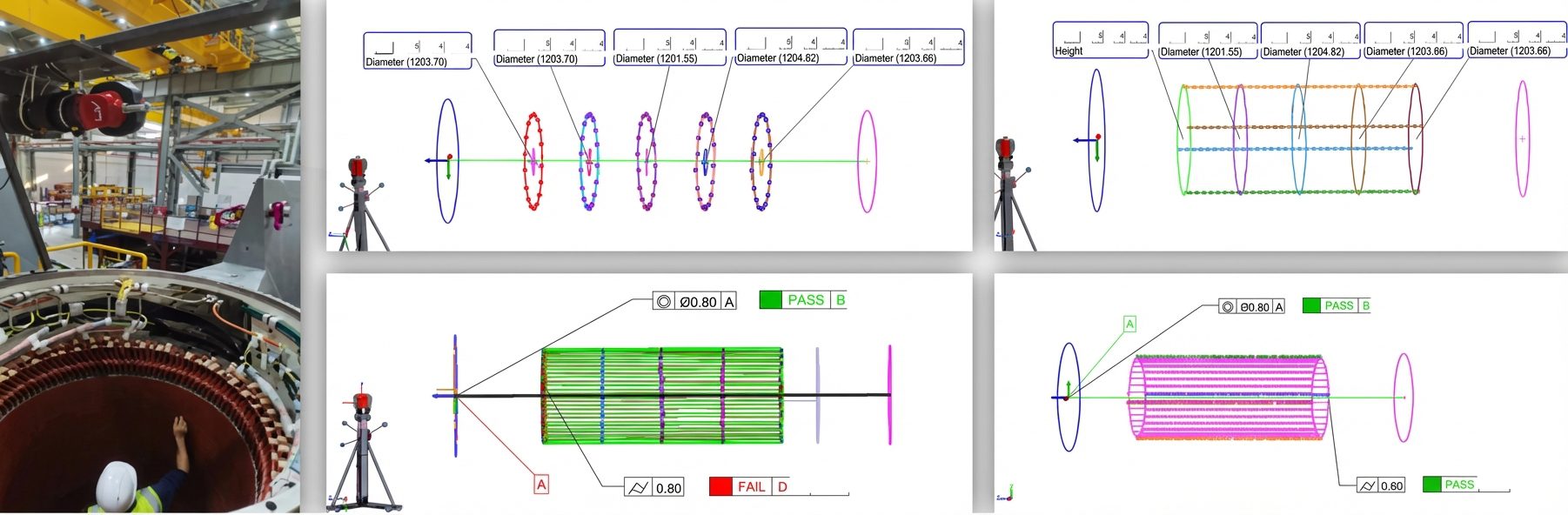
Figure 3: Stator measurement setup and data analysis in this case study.

Why It Worked Better

The value here was not just higher accuracy. It was a better workflow. Instead of piecing together multiple instruments and hoping the combined process held up, the team could use one measurement platform to capture the data, analyze the geometry, and identify where correction was needed.

That matters on large marine generators, where even a small geometry problem can create bigger assembly and performance issues later. By giving the team a faster and more reliable way to inspect both the rotor and stator, the Radian Plus helped make the entire job more manageable.

The Takeaway

This case is a good example of why laser trackers are so effective in large-scale industrial inspection. When the part is big, the tolerances still matter, and the old method is too cumbersome, the right measurement system can change the job completely.

For large marine generators, the API Radian Plus laser tracker offers a practical way to reduce measurement difficulty, improve confidence in the results, and support smoother assembly and maintenance decisions.

For more information on 3D inspection for large marine generators, contact an API metrologist today.

Know anyone who would value reading this article too?
Why not share it with them!

Featured API Metrology Videos

Got
Questions?

Our Expert team of Real Metrologists are Globally-Local, available for measurements both at your site and in our A2LA accredited calibration labs. They can assist with everything from equipment purchases and rentals to customer support to contract service work.