Why Bridge Joint Surfaces Matter So Much
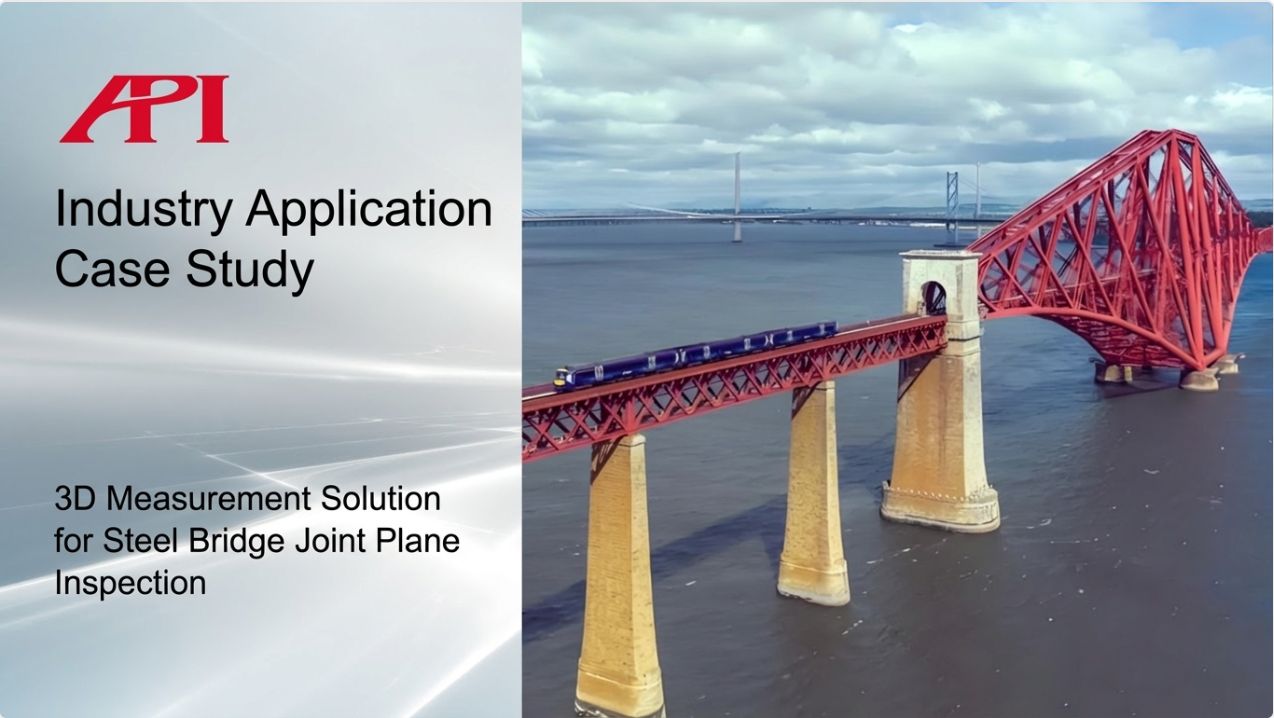
Big steel bridge sections do not get much forgiveness at assembly. If the mating surfaces are off, even by a relatively small amount, the fit-up gets harder, rework grows, and the finished structure can lose some of the stability and load performance the design is supposed to deliver.
That is why flatness inspection matters before those sections come together. On large bridge structures, it is not just a quality check. It is a practical way to protect assembly time, structural confidence, and downstream repair effort.
Where the Radian Laser Tracker Changes the Job
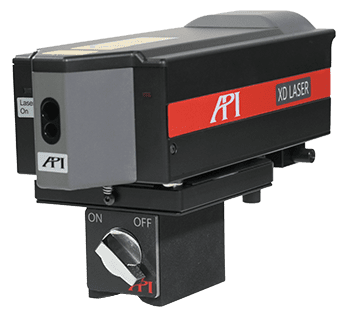
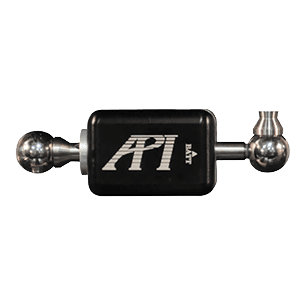
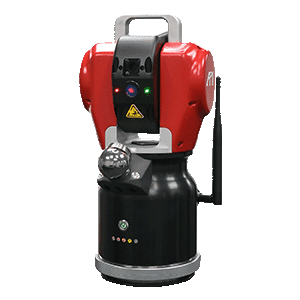
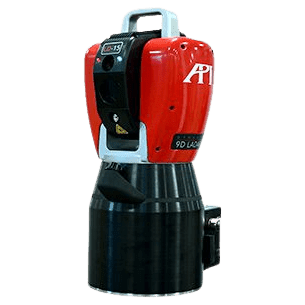
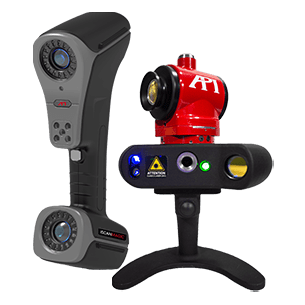
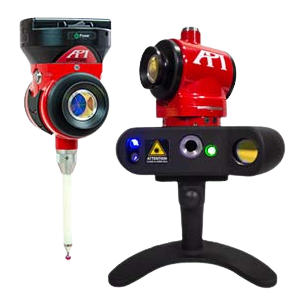
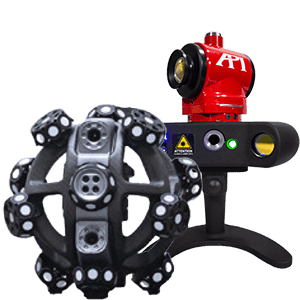
This is exactly the kind of application where the API Radian laser tracker makes more sense than a slower, more pieced-together measurement workflow. The system combines a compact tracker head, a target sphere, software, and a laptop into a setup that can capture large-scale geometry with high precision.
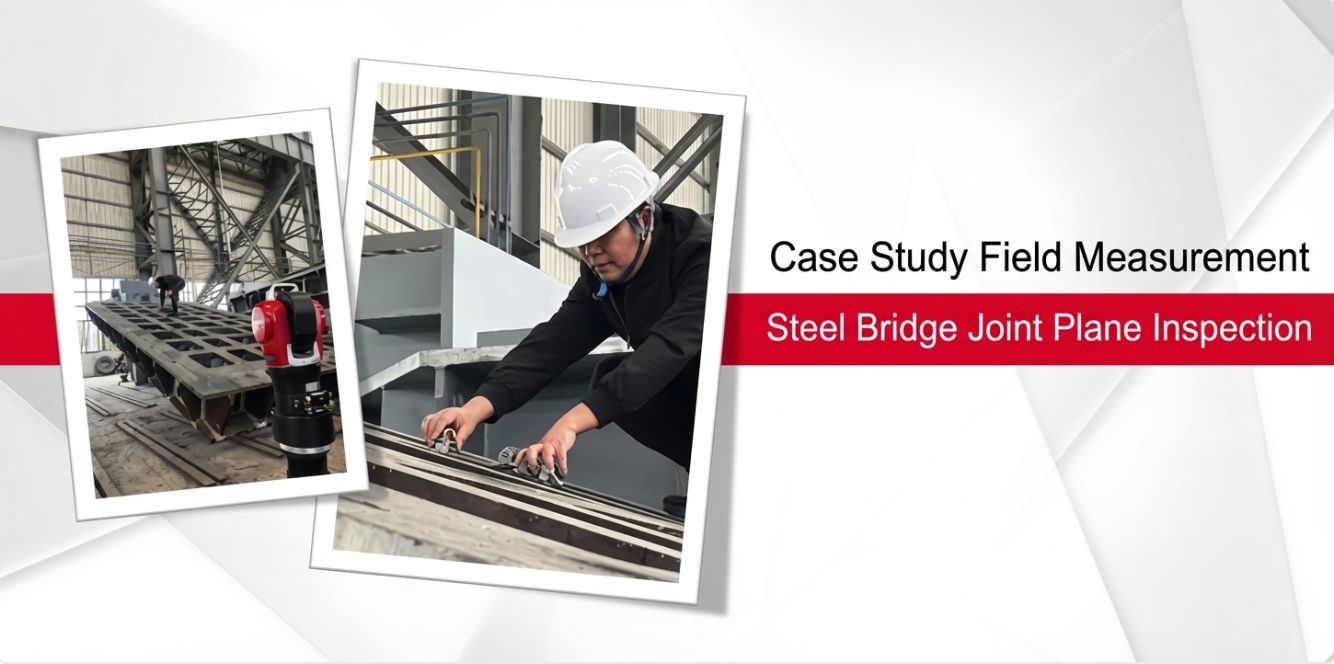
As the operator moves the target across the part, the tracker follows it in real time and records the X, Y, and Z coordinates of each contact point. That gives the team a direct way to build a usable 3D picture of the bridge surface instead of stitching together results from multiple tools and hoping the combined process holds up.

Why the Traditional Method Is a Grind
The source case study makes the pain point pretty clear. This inspection had to happen on a large steel bridge structure during grinding and welding work, and the measured surface itself was large and sloped. That makes a conventional combination of levels and total stations awkward, slow, and difficult to keep consistent.
In practice, that kind of workflow can drag inspection into a repeated cycle of measuring, adjusting, and checking again. The result is lost time and less confidence in the final data.
How the Inspection Was Carried Out
The Radian workflow was much more straightforward:
- The tracker was set up near the bridge structure in a stable position and calibrated.
- A global coordinate system was established, and the selected measurement points were cleaned so oil and dust would not affect the results.
- An operator used the target sphere to touch the measured surface and collect a full set of surface points.
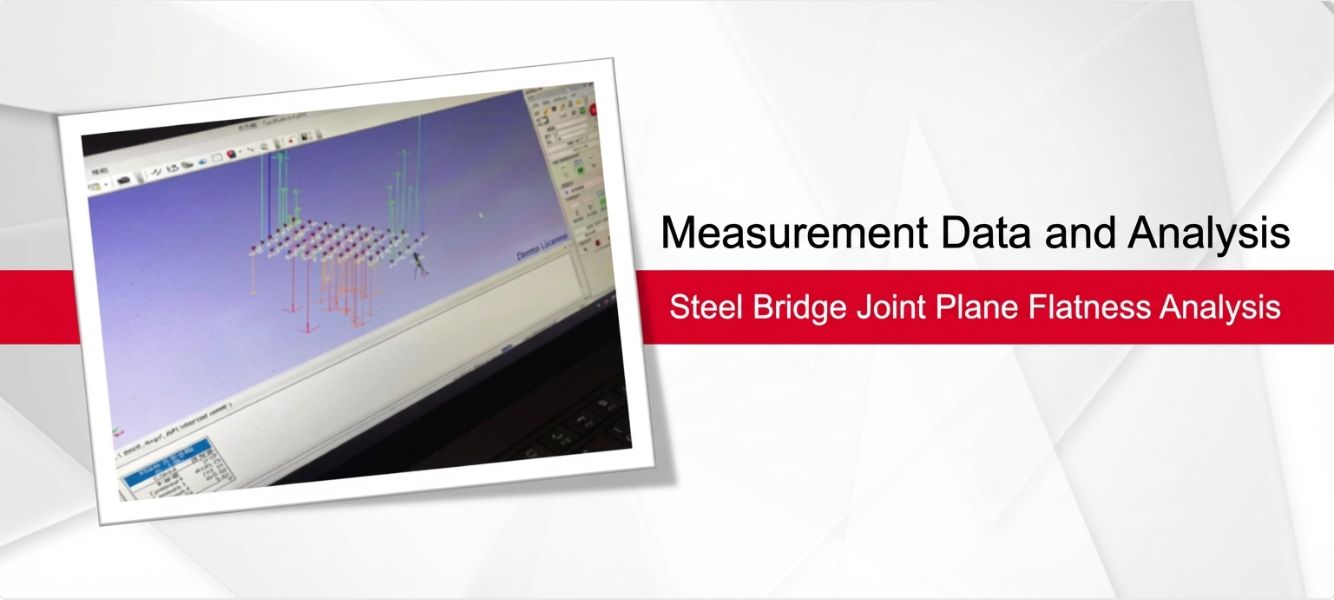
- The captured data was analyzed in measurement software to fit the surface and calculate flatness.
- When out-of-tolerance points were found, the tracker helped guide technicians to the exact correction areas for grinding and repair.
The Payoff Was Speed and Better Decision-Making
That process did more than improve accuracy. It made the entire job easier to manage. According to the source article, traditional inspection of one steel bridge structure could take close to a full week of repeated adjustment and measurement. With the Radian system, the team cut measurement and analysis time by more than 80 percent.
That matters because bridge work is not just about collecting numbers. The real value is knowing where the surface is out, correcting it faster, and moving the project forward without wasting time on a measurement setup that fights the job from the start.
A Broader Tracker Family for Different Jobs
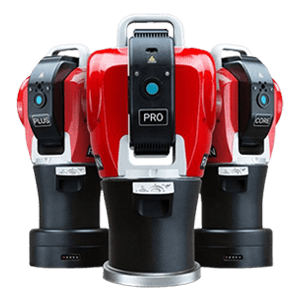
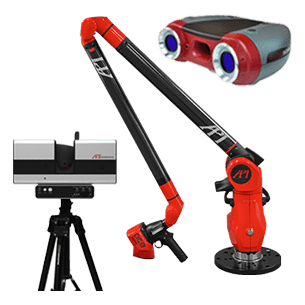
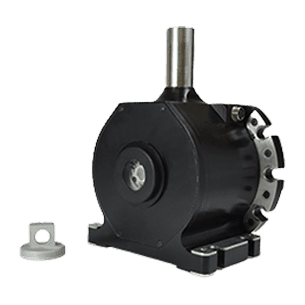
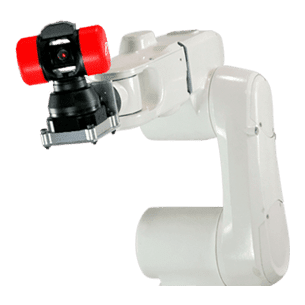
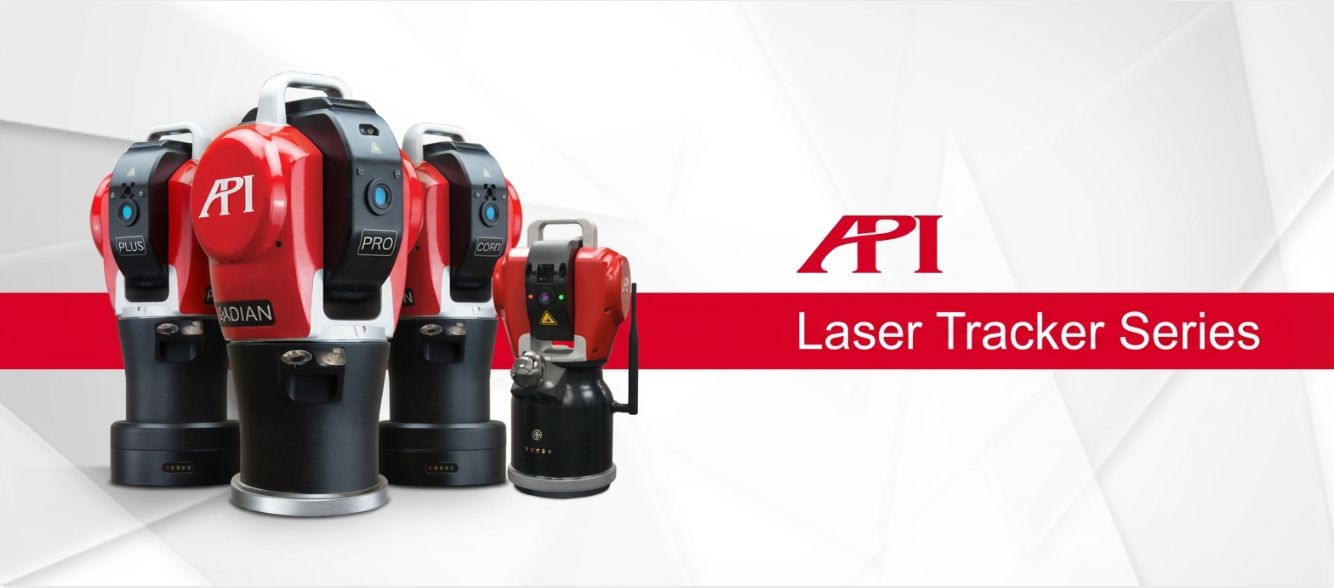
The case study also points to the wider API lineup, including the Radian Core, Radian Plus, Radian Pro, and iLT. That gives users a path from baseline large-scale measurement to higher-accuracy and more automation-friendly workflows, depending on what the application actually demands.
For more information on steel bridge joint-surface inspection and large-structure flatness measurement, contact an API metrologist today.