Why Precision Matters on Large Petroleum Equipment
Large petroleum equipment leaves very little room for error. When critical components are out of position, even by a small amount, the result can be vibration, premature wear, unstable performance, and costly downtime. That makes measurement more than a quality step. It becomes part of keeping the entire system reliable.
That is also where traditional inspection methods start to struggle. On large structures with complex geometry, older tools can be slow, difficult to repeat, and hard to trust when tolerances get tight. For manufacturers and maintenance teams, that creates a real problem: the bigger the equipment gets, the more important fast and accurate 3D measurement becomes.
Where the API Radian Laser Tracker Fits
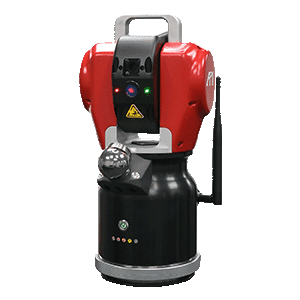
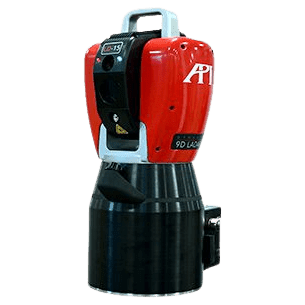
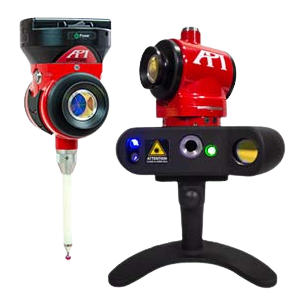
The API Radian laser tracker is built for exactly this kind of work. It gives teams a practical way to capture high-accuracy 3D measurements on large equipment without turning the inspection process into a bottleneck.
In petroleum-equipment applications, that means it can be used to verify feature locations, check coaxiality, evaluate flatness, and support broader GD&T analysis across large assemblies. It is the kind of tool that helps teams move from “close enough” to measurable confidence.
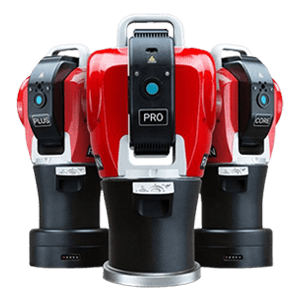
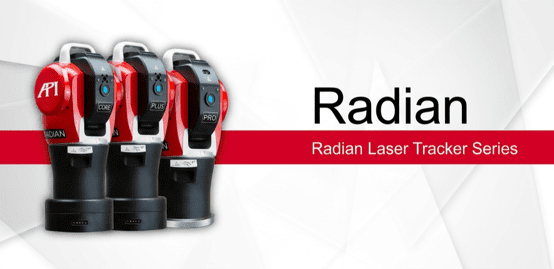
The Radian series also brings the performance needed for large-scale work. It offers micron-level accuracy, measurement ranges beyond 160 meters, and data capture rates up to 1000 points per second. The Radian Pro adds traceable IFM interferometric laser measurement, while the Plus and Core models support fully wireless operation, giving teams flexibility in different shop and field environments.
The Challenge in This Project
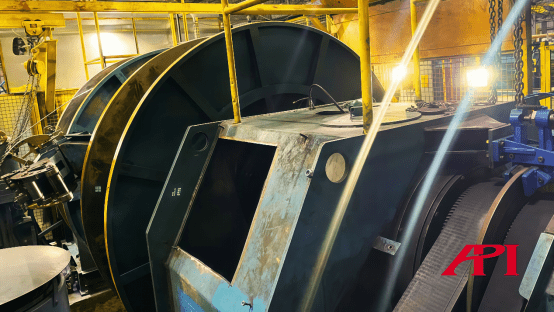
In this case, a South American petroleum company needed to calibrate and level key facility components after long-term use caused parts of the system to shift. The equipment relied on a pulley-driven motor, so alignment was critical. If the pulleys were not parallel or the motor shaft was not properly centered, the whole system could suffer from unstable operation, vibration, accelerated wear, and unnecessary maintenance costs.
The measurement target was clear: verify the geometry accurately enough to support correction, with a required tolerance of 0.1 mm.
How the Measurement Was Performed
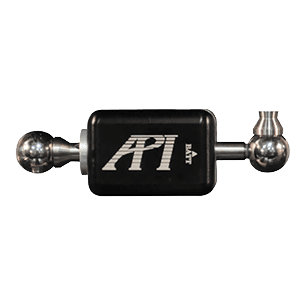
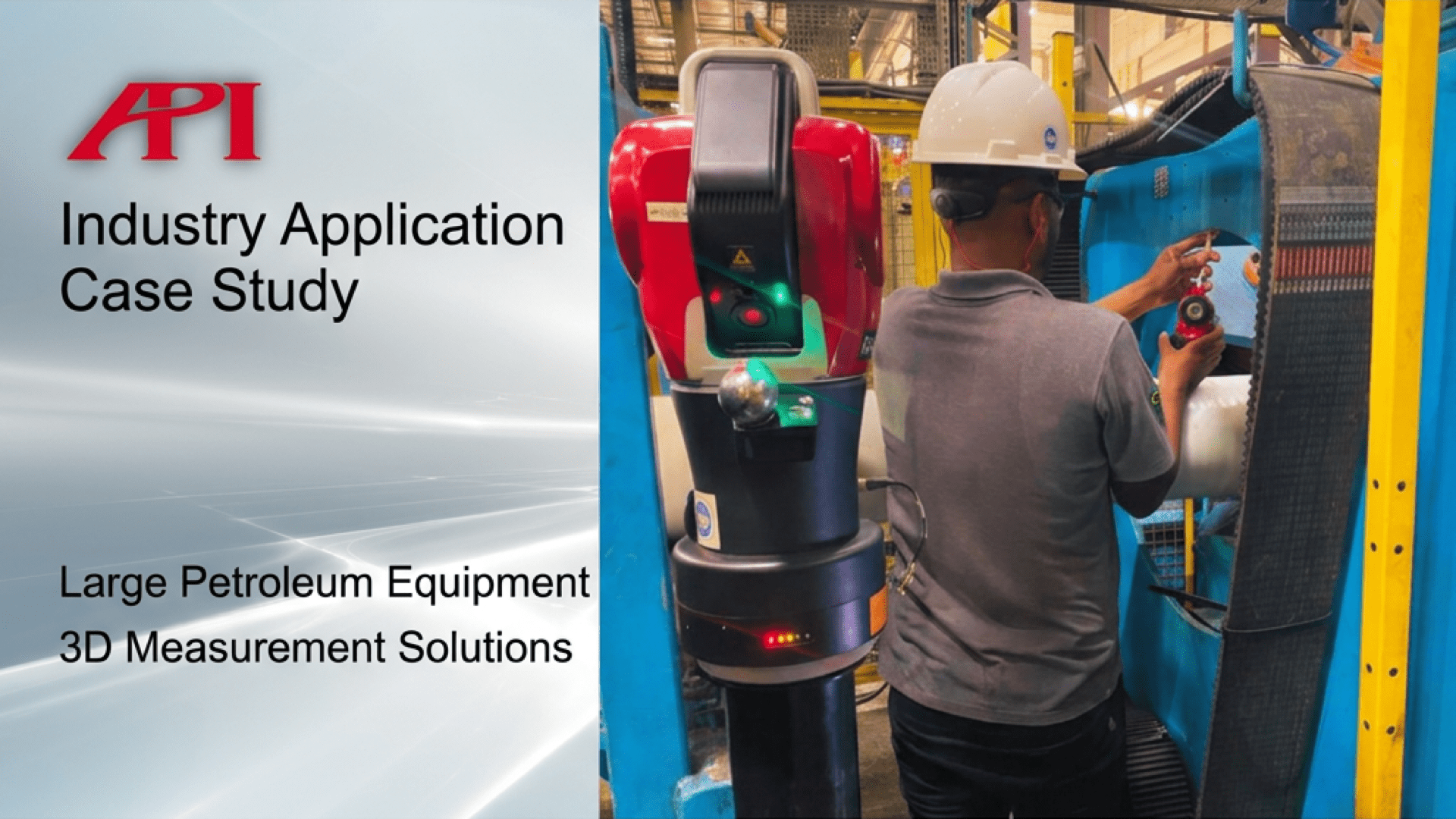
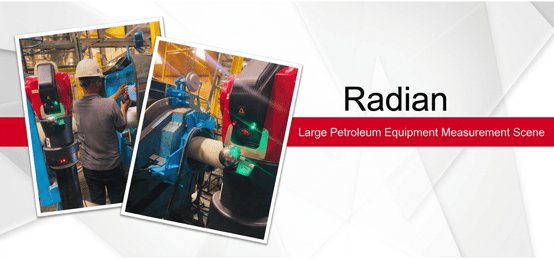
The measurement engineer positioned the Radian laser tracker around the equipment and began collecting data. The operator used a high-precision SMR target sphere with an integrated prism, allowing the tracker to lock onto the target and follow it in real time.
As the target touched key inspection points on the equipment, the tracker captured live 3D coordinates at high speed and sent the data directly to measurement software on a laptop. That gave the team a fast and organized way to collect the information they needed without slowing down the job.
Turning Data Into Action
Once the data was inside the software, the team could work with it as points and point clouds, then build the lines, planes, and geometric features needed for analysis. From there, they could evaluate distance, perpendicularity, parallelism, flatness, roundness, sphere centers, and other critical relationships. They could also compare measured results against CAD models to see exactly where the equipment differed from nominal.
That is where the value of 3D measurement really shows up. The tracker does not just collect numbers. It helps turn those numbers into decisions, corrections, and reports the team can use immediately.
A Practical Advantage in the Field
One of the more useful features of the Radian system is its ability to support live adjustment work. During setup or correction, the operator can attach the target sphere to a component and watch its position update in real time. The software shows both the direction and amount of deviation, making it much easier to guide the part into the correct position.
That kind of live feedback is especially valuable on large petroleum equipment, where moving a component is rarely quick or simple. Instead of relying on repeated trial-and-error checks, the team can make informed adjustments as they go.
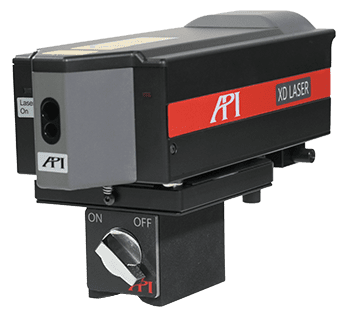
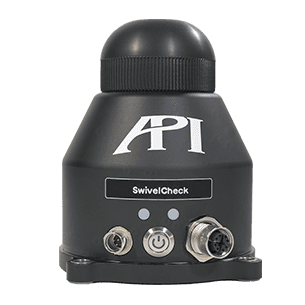
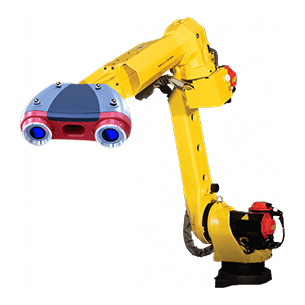
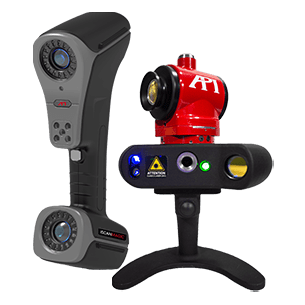
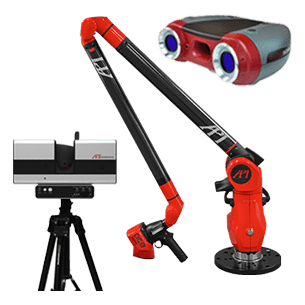
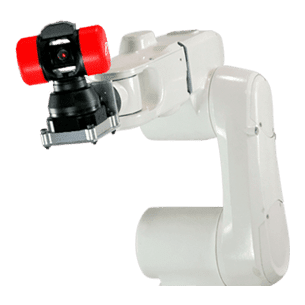
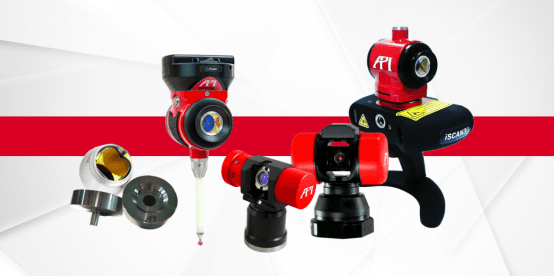
API also extends the platform with accessories for hidden-point measurement, deep-hole measurement, scanning, trajectory measurement, and 6DoF workflows. That gives the system room to handle more than one kind of inspection challenge.
The Takeaway
This case study is a good example of why laser trackers are so effective on large petroleum equipment. They bring together speed, accuracy, and flexibility in a way that makes big measurement problems much more manageable.
For teams working in petroleum-equipment manufacturing, inspection, or maintenance, the API Radian laser tracker offers a straightforward advantage: better visibility into real equipment conditions, faster alignment and verification, and more confidence that the system will perform the way it should.
For more information on 3D measurement for large petroleum equipment, contact an API metrologist today.